Why Hokkaido Hotate Scallops Belong in Every American Home Cook's Freezer
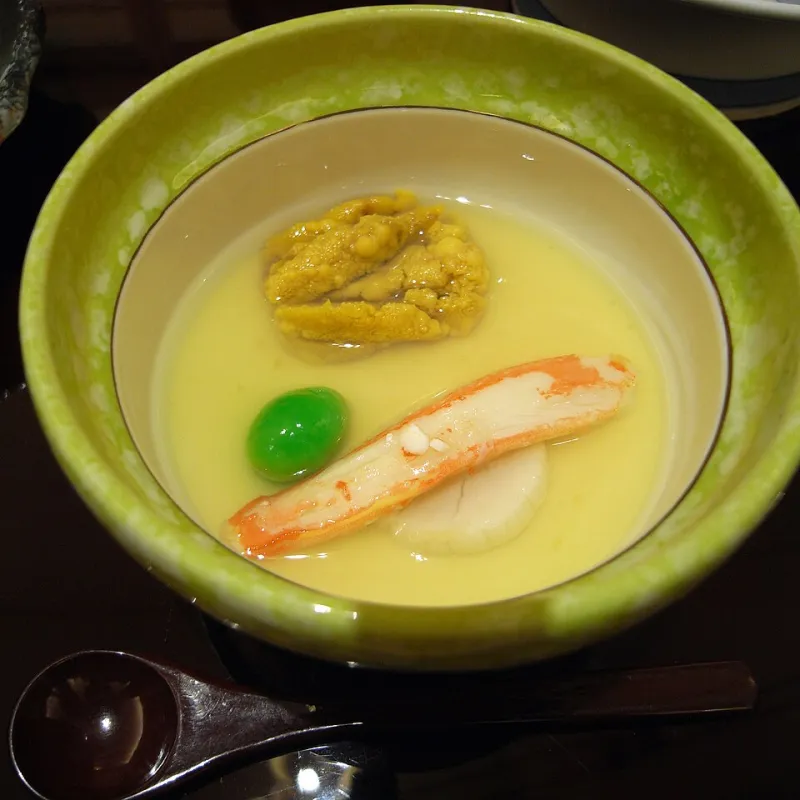
Photo: veroyama from Hakodate, Hokkaido, CC BY 2.0, via Wikimedia Commons
If you have ever eaten a scallop in a Japanese restaurant and found yourself wondering why it tasted fundamentally different from the ones you cook at home — sweeter, more complex, with a richness that seemed to linger long after the bite — there is a good chance what you encountered was a Hokkaido hotate. And once you understand what makes these scallops different, it becomes very difficult to settle for anything less.
Hotate (Patinopecten yessoensis), the Japanese sea scallop, is the defining shellfish of Hokkaido's coastal waters. For generations, fishing communities along the Okhotsk Sea coast and in Funka Bay have built their livelihoods around this single species. Today, Hokkaido produces the vast majority of Japan's scallop supply and exports to markets worldwide — yet many American home cooks remain largely unfamiliar with what distinguishes these bivalves from the domestic sea scallops they find at their local fish counter.
This guide exists to close that gap.
The Cold Water Advantage
Scallop quality is inseparable from water temperature, and this is where Hokkaido holds a decisive edge. The waters surrounding Hokkaido — particularly the Okhotsk Sea, which remains ice-covered for portions of the year — are among the coldest productive marine environments on the planet. Water temperatures in prime hotate growing areas regularly fall below 50°F and can drop considerably lower in winter months.
Cold water does several things that directly benefit scallop quality. First, it slows metabolic rates, allowing scallops to accumulate glycogen — the compound responsible for their characteristic sweetness — at higher concentrations than warm-water counterparts. Second, cold, nutrient-dense water supports the growth of the specific phytoplankton species that hotate prefer, contributing to a more complex flavor profile in the finished product. Third, lower temperatures inhibit bacterial growth, meaning Hokkaido scallops are naturally better positioned for safe raw consumption — a critical consideration given how frequently hotate appear in sashimi and crudo preparations.
The result is a scallop that tastes, quite simply, more like itself: sweeter, more briny, and more deeply savory than most alternatives available to American consumers.
Understanding Umami in Hotate
The word umami — now widely used in American food media — refers to the savory, mouth-coating quality associated with glutamates and nucleotides in food. Scallops are naturally high in both free glutamic acid and inosinic acid (IMP), two primary umami compounds, but Hokkaido hotate contain these substances at concentrations that measurably exceed those found in scallops from warmer waters.
This is not merely a matter of culinary preference. Flavor chemistry research has documented that cold-water bivalves tend to accumulate higher levels of free amino acids — the building blocks of umami — as a physiological response to cold stress. In practical cooking terms, this means that hotate contribute flavor depth to a dish in ways that go beyond their immediate taste. They elevate the overall savoriness of whatever they are paired with, functioning almost as a seasoning in addition to a protein.
Dried hotate (hoshi hotate or kaibashira) take this umami concentration even further. The drying process reduces moisture while intensifying every flavor compound present in the raw scallop, producing a product that chefs and home cooks alike use as a foundational flavoring agent — particularly in broths, sauces, and braising liquids.
Frozen vs. Dried: Choosing the Right Format
For American home cooks, Hokkaido hotate are most practically available in two preserved forms, each suited to different applications.
Frozen hotate — typically sold as IQF (individually quick-frozen) units — are the closest approximation to fresh product that most consumers outside Japan can access. High-quality frozen hotate are processed and frozen within hours of harvest, preserving both texture and flavor with remarkable fidelity. When thawed correctly (slowly, in the refrigerator overnight, never under running water), they sear beautifully, develop a proper golden crust, and deliver that characteristic hotate sweetness in full.
When shopping for frozen hotate, scrutinize the label carefully. Look for products described as "dry" or "dry-packed" scallops. "Wet" scallops have been treated with sodium tripolyphosphate (STP), a phosphate solution that artificially inflates weight and impairs the Maillard browning reaction during cooking — the very reaction responsible for that desirable golden sear. Authentic Hokkaido hotate from reputable importers will not require this treatment.
Dried hotate are a pantry staple of an entirely different character. A small quantity of dried hotate, rehydrated in water or sake for several hours, produces both a concentrated scallop broth and tender, richly flavored pieces of meat. The soaking liquid alone is an extraordinary cooking medium — use it as the base for a seafood risotto, stir it into a butter sauce, or incorporate it into the braising liquid for pork belly or short ribs. The effect is a layer of marine umami depth that is genuinely difficult to achieve through any other means.
Pairing Hotate with American Dishes
One of the most compelling aspects of Hokkaido hotate is their versatility across culinary traditions. While their natural home is in Japanese preparations — sashimi, butter-soy sauté (hotate batayaki), miso soup — their flavor profile translates with equal success into Western cooking contexts.
Seared hotate with brown butter and capers is a preparation that requires almost no adaptation. The nutty richness of brown butter complements the scallop's natural sweetness, while capers provide an acidic counterpoint that keeps the dish lively. Use a very hot, dry cast-iron pan and resist the urge to move the scallops once placed — a proper sear requires patience.
Chowder is another natural application. Hokkaido hotate added to a New England-style chowder in the final minutes of cooking elevate the dish considerably, contributing both their distinctive sweetness and a background umami note that enriches the broth without announcing itself overtly.
Pasta with dried hotate and white wine is perhaps the most practical weeknight application for the pantry format. Rehydrate dried hotate, then use the soaking liquid as the cooking medium for a simple pasta sauce built with shallots, white wine, and a generous amount of good butter. The result is a dish of genuine sophistication that requires neither technical skill nor unusual equipment.
For those interested in raw preparations, high-quality frozen hotate that have been properly thawed are appropriate for crudo or tartare applications with minimal seasoning — a drizzle of good olive oil, a few grains of flaky sea salt, and perhaps a small amount of citrus zest is all that is required to let the scallop speak for itself.
Sourcing Guidance
As demand for Hokkaido seafood grows in the United States, the market has become somewhat crowded with products of varying quality. A few practical guidelines will help you navigate it effectively.
Prioritize suppliers who can speak specifically to the origin of their product — not just "Japan" but ideally the specific region of Hokkaido where the scallops were harvested. Funka Bay and the Okhotsk coast produce hotate under subtly different conditions, and reputable importers will know the difference.
For dried hotate, examine the color before purchasing when possible. High-quality dried scallops should be a uniform amber to light golden color. Very pale product may indicate insufficient drying; very dark product may suggest age or improper storage conditions.
At Hokkaido Bussan, we work directly with Hokkaido producers to ensure that both our frozen and dried hotate meet the quality standards that make this ingredient worth seeking out in the first place. Provenance transparency is not a marketing position for us — it is the foundation of what we offer.
An Ingredient That Changes How You Cook
Some ingredients improve a dish. Others change how you think about cooking. Hokkaido hotate belong firmly in the second category. Once you have experienced the depth of flavor that properly sourced, cold-water scallops bring to a preparation — and once you have tasted what a few pieces of dried hotate can do to an otherwise ordinary broth — it becomes genuinely difficult to approach seafood cooking the same way again. That is the kind of discovery that a well-stocked pantry makes possible.