The Fermentation Frontier: How Hokkaido Artisanal Miso Is Changing What Americans Expect From a Pantry Staple

Photo: Japanese artisanal miso fermentation wooden barrels traditional brewery, via wallpaperbat.com
For most American home cooks, miso has occupied a narrow corner of the pantry—a tub of beige paste reserved for soup on cold evenings or the occasional salad dressing. It has been, in many households, an afterthought. But that perception is shifting, and Hokkaido's network of small-batch miso producers is at the center of the change.
The miso arriving from Hokkaido today is not the product of industrial shortcuts. It is the result of deliberate fermentation, carefully sourced soybeans, and production philosophies that have been refined over generations. For American cooks willing to look beyond the supermarket aisle, the reward is a pantry staple with genuine complexity.
What Separates Artisanal Miso From the Mass-Market Alternative
Commercial miso production prioritizes consistency and speed. Fermentation is often accelerated through temperature-controlled environments, and the resulting paste tends to be uniform in flavor—serviceable, but rarely memorable. Artisanal producers in Hokkaido operate by a different set of values entirely.
Hokkaido's climate plays a foundational role. The island's cold winters and short growing seasons produce soybeans with a higher protein density than those cultivated in warmer regions. That elevated protein content directly influences the Maillard reaction during fermentation, contributing to a deeper, more layered umami character. When small-batch producers allow their miso to ferment slowly over months or even years in cedar barrels, the result is a paste that carries genuine aromatic complexity—notes of earthiness, subtle sweetness, and a savory persistence that lingers on the palate.
The koji culture used to initiate fermentation also varies meaningfully between producers. Some favor rice koji (kome koji), which tends to produce a sweeter, lighter miso. Others rely on barley koji (mugi koji) for a more rustic, mineral quality. The ratio of koji to soybean, the salinity of the mixture, and the ambient temperature during aging all contribute to a final product that reflects the specific hands and environment that shaped it.
A Guide to Hokkaido Miso Varieties and Their Flavor Profiles
Shiro Miso (White Miso) Despite its name, Hokkaido shiro miso ranges in color from pale ivory to a warm golden yellow. It is fermented for the shortest period—sometimes as briefly as a few weeks—and carries a noticeably sweet, mild character. Its lower salt content makes it exceptionally versatile in Western cooking contexts. American cooks have found it performs beautifully in butter-based pan sauces, whisked into vinaigrettes, or blended into compound butters destined for grilled corn or roasted root vegetables. The sweetness does not overwhelm; it rounds and elevates.
Shinshu Miso (Yellow Miso) Yellow miso occupies the middle ground in both color and flavor intensity. Fermented longer than white miso but shorter than red varieties, it delivers a balanced savory note with mild sweetness and a clean finish. It is arguably the most approachable entry point for American cooks new to artisanal Japanese fermentation. Use it in braises, stir into mashed potatoes in place of a portion of butter and salt, or dissolve it into the braising liquid for short ribs.
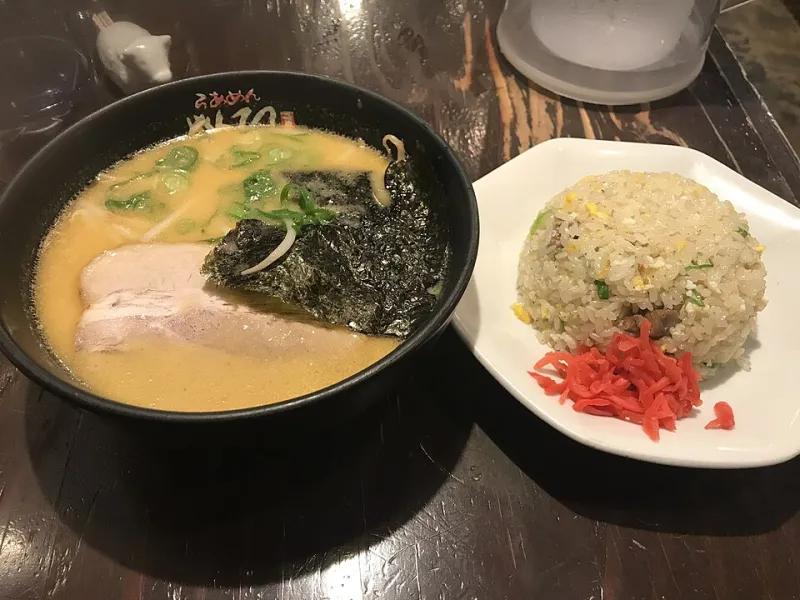
Aka Miso (Red Miso) Hokkaido's red miso is where the island's cold-climate fermentation philosophy becomes most apparent. Aged for anywhere from one to three years, it develops a concentrated, deeply savory profile with pronounced earthiness and a subtle bitterness that functions as a counterpoint to rich, fatty ingredients. A small spoonful stirred into a beef stew during the final thirty minutes of cooking adds a dimension that no amount of Worcestershire sauce can replicate. It is also the traditional foundation of Hokkaido-style miso ramen broth—a bowl that has earned devoted followings in cities from Chicago to Los Angeles.
Hatcho Miso Hatcho is the most assertive variety available, produced almost exclusively from soybeans with minimal koji and aged under stone weights for up to three years. Its flavor is intensely savory, dry, and complex—closer in character to a well-aged hard cheese than anything most American cooks associate with miso. A small quantity goes a considerable distance. It excels as a glaze component for roasted meats, as an addition to dark chocolate desserts where its bitterness adds intrigue, or as the base of a deeply savory dipping sauce for grilled vegetables.
The Producers Behind the Paste
Hokkaido's artisanal miso landscape is shaped by family-operated facilities that have resisted the consolidation that transformed much of Japan's fermentation industry during the twentieth century. Many of these producers maintain cedar fermentation vessels that are decades old, arguing—with some scientific support—that the resident microbial communities within aged wood contribute meaningfully to the flavor of each successive batch.
What distinguishes these craftspeople is not merely their commitment to traditional technique but their willingness to engage with the specific agricultural identity of Hokkaido. Several producers source their soybeans exclusively from named farms in the Tokachi region, where the volcanic soil and cool growing conditions yield beans with characteristics they consider irreplaceable. This relationship between land and finished product—a concept American consumers increasingly associate with wine and artisanal cheese—is embedded in how these producers understand their work.
Practical Applications for the American Kitchen
The versatility of premium Hokkaido miso extends well beyond Japanese cuisine. A few guiding principles help American cooks integrate it confidently:
- Use heat judiciously. Miso's probiotic cultures and delicate aromatics are diminished by prolonged high heat. Add it toward the end of cooking whenever possible, or incorporate it into preparations that require no cooking at all.
- Balance salt accordingly. Artisanal miso carries its own salinity. Taste and adjust other salt sources in a recipe before adding miso to avoid over-seasoning.
- Start with less than you think you need. The umami intensity of small-batch Hokkaido miso is substantially higher than mass-market alternatives. A teaspoon of well-aged red miso can accomplish what a tablespoon of supermarket paste might attempt.
- Explore sweet pairings. White and yellow miso have a genuine affinity for caramel, brown butter, and dark chocolate. American bakers have increasingly incorporated them into cookies, frosting, and toffee with striking results.
Why This Matters for American Pantries
The broader trend toward ingredient transparency—knowing the provenance of what enters one's kitchen—has accelerated demand for artisanal fermented products across the United States. Miso, long overlooked in this conversation, is now attracting the kind of attention that artisanal vinegar and small-batch soy sauce have received in recent years.
Hokkaido's producers are well-positioned to meet that interest. Their combination of exceptional raw materials, climate-driven fermentation advantages, and generational expertise produces miso that is genuinely difficult to replicate elsewhere. For American home cooks ready to move beyond the familiar tub on the grocery store shelf, Hokkaido artisanal miso represents one of the most rewarding upgrades a pantry can receive.