From Scratch to Sublime: Mastering Hokkaido-Style Ramen Broth in Your Own Kitchen
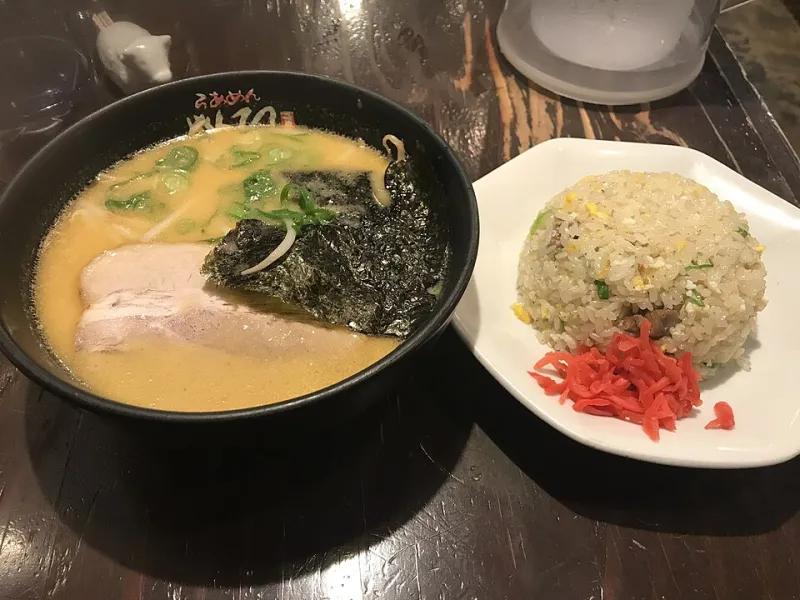
Photo: ノボホショコロトソ, CC BY 4.0, via Wikimedia Commons
For years, a bowl of great ramen in the United States meant a trip to a dedicated ramen-ya, a wait in line, and a bill that could easily reach $20 or more per person. That equation is changing. Across American home kitchens, a quiet revolution is underway—one driven not by shortcuts or instant packets, but by a genuine desire to understand what makes Hokkaido-style ramen broth so extraordinary in the first place.
The answer, as it turns out, lies in a handful of carefully sourced ingredients and a willingness to treat broth-making as a craft rather than a chore.
What Makes Hokkaido Ramen Distinct
Japan's northernmost island has contributed two of the country's most celebrated ramen styles to the global stage: Sapporo-style miso ramen and the rich, collagen-heavy tonkotsu-miso hybrid that defines the Hokkaido palate. Both styles share a commitment to depth and warmth—qualities that are not accidental. Hokkaido's long, severe winters shaped a culinary culture that prizes hearty, sustaining flavors above all else.
Sapporo miso ramen, widely regarded as the prototype of Hokkaido ramen, is built on a tare—a concentrated seasoning base—made from locally fermented miso. The broth itself typically combines pork or chicken stock with this tare, then finishes with a generous knob of butter and a drizzle of toasted corn or garlic-infused lard. Tonkotsu preparations from Hokkaido differ from their Hakata counterparts in Kyushu: they tend to be somewhat less opaque and are almost always enriched with miso, creating a layered complexity that is simultaneously creamy, savory, and faintly sweet.
Understanding these distinctions is the first step toward replicating them accurately at home.
The Science of Broth-Building
At its core, great ramen broth is an exercise in controlled extraction. Collagen from pork bones—trotters, femurs, and neck bones are particularly effective—breaks down into gelatin over extended cooking times, giving tonkotsu its signature viscosity. This process requires a vigorous, rolling boil sustained over several hours, a departure from the gentle simmering that characterizes French-style stock-making.
The milky-white appearance of tonkotsu broth is the direct result of fat and gelatin being emulsified by that aggressive heat. If your broth looks pale and thin, the boil was likely too gentle. If it tastes flat, the bones were not blanched and rinsed thoroughly before the main cook—a step that removes blood and impurities that would otherwise cloud both the flavor and the appearance of the finished broth.
Miso ramen takes a different path. Here, the base stock can be lighter—a clean chicken or dashi broth works well—because the tare does the heavy lifting. The miso is never boiled directly in the pot; instead, it is whisked into individual bowls just before serving, preserving its fermented complexity and the beneficial enzymes that high heat would destroy.
Choosing the Right Hokkaido Miso
Not all miso is created equal, and the choice of paste is arguably the single most consequential decision a home cook will make when preparing Hokkaido-style ramen. Hokkaido produces several distinct varieties, each with a different fermentation profile and flavor signature.
Red miso (aka miso), fermented for longer periods, brings an assertive, almost meaty depth that holds up beautifully against rich pork-based stocks. Blended miso pastes that combine white and red varieties offer a more balanced profile—nutty, slightly sweet, and deeply savory—that many home cooks find more versatile. Some Hokkaido producers also offer miso with added koji rice cultures, which introduce a gentle sweetness and a longer, more complex finish.
When sourcing miso for ramen specifically, look for products with minimal additives and no preservatives. Authentic Hokkaido miso, available through specialty importers and sites like hokkaido-bussan.com, is typically refrigerated after opening and will keep for several months when stored correctly. A well-stocked tare can be made in advance and refrigerated for up to two weeks, making weeknight ramen an entirely realistic proposition.
Building Your Hokkaido Pantry for Ramen
Beyond miso, several other Hokkaido staples will elevate your broth from competent to genuinely impressive.
Konbu (dried kelp): Hokkaido's cold, mineral-rich coastal waters produce some of the world's finest konbu, particularly the Rishiri and Rausu varieties. A brief cold-infusion of konbu in water creates a dashi base with remarkable umami depth—no boiling required. This dashi can be incorporated directly into your ramen broth or used as a liquid base for the miso tare.
Dried scallop (hotate) powder or flakes: A small amount of dried Hokkaido scallop added to a simmering stock introduces a sweet, oceanic dimension that is difficult to replicate with any other ingredient. It is particularly effective in miso ramen, where it softens the fermented sharpness of the paste.
Toasted sesame oil and butter: The finishing fats in Hokkaido ramen are not decorative—they are structural. A small pat of good-quality butter stirred into a bowl of miso ramen just before eating binds the components together and rounds out any remaining sharp edges. Hokkaido butter, made from the milk of grass-fed dairy cattle, has a distinctly higher fat content and a cleaner flavor than most domestic alternatives.
Practical Tips for the American Home Cook
Pork bones are widely available at Asian grocery stores and many mainstream supermarkets in major US cities, often at very low cost. Request femur bones cut into segments, which will maximize surface area and gelatin extraction. Plan for a minimum of four hours of active boiling for tonkotsu; six to eight hours will produce a noticeably richer result.
For those with limited time, a pressure cooker can accelerate the process significantly—a two-hour pressure cook at high pressure will approximate the collagen extraction of a four-to-six-hour stovetop method, though some purists argue that the open-boil technique produces a slightly more nuanced emulsification.
Store finished broth in portioned containers in the freezer. A well-made tonkotsu base will keep for up to three months frozen, meaning a single weekend cooking session can stock your freezer with enough broth for a dozen future meals. At that scale, the economics become compelling: a bowl of home-prepared Hokkaido ramen, properly appointed with imported miso, quality noodles, and a soft-boiled egg, can be produced for well under $5 per serving.
The Gateway to Japanese Culinary Craftsmanship
There is something quietly transformative about making ramen broth from scratch. The process demands patience, attention, and a willingness to engage with ingredients on their own terms—qualities that define Japanese culinary philosophy more broadly. For American home cooks who have grown accustomed to convenience, it represents a meaningful shift in perspective.
The reward is not merely a bowl of soup. It is a tangible understanding of why Hokkaido's food culture has earned the admiration of chefs and food lovers around the world. Once you have tasted the difference that authentic Hokkaido miso and konbu make in a broth you built yourself, the appeal of even the best local ramen shop begins to look somewhat different.