From Hokkaido Soil to American Backyards: A Grower's Guide to Japanese Heirloom Vegetables
For the dedicated home cook, few experiences rival pulling an ingredient directly from the garden and carrying it straight to the kitchen. Hokkaido's agricultural legacy—built on cold winters, mineral-rich volcanic soils, and a farming culture that has refined seed selection over generations—has produced vegetables of extraordinary character. The good news for American gardeners is that many of these varieties are far more suited to North American conditions than their exotic origins might suggest.
This guide is for those who want to go beyond sourcing and into cultivating: understanding which Hokkaido heirloom vegetables thrive in US soil, how their flavor profiles compare to imported counterparts, and how the act of growing them deepens your relationship with Japanese culinary tradition.
Why Hokkaido Vegetables Are Worth the Effort
Hokkaido sits at a latitude comparable to parts of the Pacific Northwest and the upper Midwest—roughly between 41°N and 45°N. Its growing season is short, its winters are severe, and its soils carry the mineral complexity of its volcanic geology. These pressures have driven farmers to develop vegetables that are dense, sweet, and remarkably flavorful: crops that store well through long winters and deliver maximum nutrition in a compressed growing window.
The result is a roster of produce that punches well above its weight. Hokkaido pumpkins (kabocha) develop a dry, nutty sweetness that most American squash varieties simply don't match. Purple sweet corn from the region carries an almost wine-like depth. Daikon grown in cold northern soil achieves a crispness and mild bitterness that supermarket versions rarely approach. These qualities are not incidental—they are the product of specific genetic lineages, refined across decades of careful cultivation.
When you grow these varieties yourself, you gain access to that same genetic potential, provided you start with authentic seed stock and give the plants conditions that approximate their native environment.
Matching Varieties to US Growing Zones
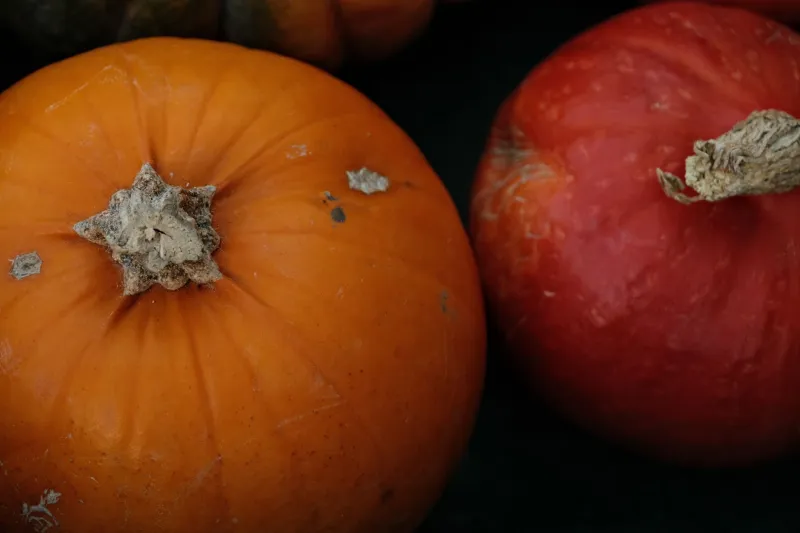
Kabocha Squash (Hokkaido Pumpkin) Perhaps the most transferable of Hokkaido's signature crops, kabocha squash performs reliably across USDA Hardiness Zones 3 through 10. Its relatively short maturation window—typically 95 to 110 days—makes it well-suited to the abbreviated summers of northern states like Minnesota, Wisconsin, and upstate New York, as well as the Pacific Northwest. In warmer zones (7 through 10), gardeners should start seeds indoors in early spring to avoid the dual stress of late-spring frost and summer heat convergence.
Look for seed varieties labeled Kuri (red Hokkaido) or Uchiki Kuri for the most authentic flavor profile. These mature to a deep orange-red exterior and offer the characteristic chestnut sweetness that defines the Hokkaido variety. Container growing is feasible with varieties marketed as bush or compact kabocha, though flavor is typically more concentrated in ground-grown specimens.
Purple Sweet Corn (Hokkaido Murasaki Corn) Less common in American seed catalogs but increasingly available through specialty Japanese seed importers, Hokkaido purple sweet corn is a visually striking and gastronomically distinctive crop. It thrives in Zones 5 through 9, preferring well-drained soil and full sun. Timing is critical: seeds should go into the ground only after soil temperatures reach at least 60°F. In northern states, this typically means late May to early June.
The flavor difference between homegrown purple corn and its conventional counterpart is notable. The kernels carry a subtle earthiness and a sweetness that is less aggressive than standard American sweet corn—more nuanced, with a slight floral quality that makes it exceptional for both fresh eating and incorporation into dashi-based dishes.
Daikon Radish Daikon is among the most forgiving Hokkaido crops for American growers. It is a cool-season vegetable that excels as both a spring and fall crop across Zones 2 through 11. In fact, daikon is one of the few crops where American growing conditions can rival—and in some cases exceed—imported quality, provided the gardener selects the right timing. Planting in late summer for a fall harvest, when cooling temperatures slow the root's growth and concentrate its sugars, produces the most flavorful results.
Hokkaido-specific varieties such as Minowase and Aokubi Daikon are available through several Japanese seed suppliers operating in the US. These varieties grow longer and more uniformly than standard daikon, with a crisper texture and milder bite that makes them ideal for pickling, simmering in oden, or serving raw alongside rich broths.
Edamame (Hokkaido Varieties) Hokkaido is home to several edamame cultivars that differ meaningfully from the standard varieties found in American grocery freezers. Cha Mame (tea-colored edamame) and certain late-maturing Hokkaido strains develop a richer, more buttery flavor due to their extended growing period. These varieties prefer Zones 5 through 9 and require a longer season than most American edamame—plan for 90 to 110 days from transplant.
Sourcing Authentic Seed Stock
This is where many American gardeners encounter their first significant challenge. Mainstream seed retailers carry limited Japanese heirloom varieties, and authenticity matters: seeds saved and commercialized outside Japan often drift from their original genetic profiles over generations.
Several reputable channels exist for sourcing genuine Hokkaido-origin seeds in the US. Specialty Japanese seed importers—some operating specifically for the North American market—offer verified heirloom stock with clear provenance documentation. Seed-saving communities with Japanese horticultural connections are another valuable resource, particularly for less commercially viable varieties like purple corn. When evaluating a seed supplier, look for explicit variety names in both English and Japanese, origin information, and cultivation notes that reflect the crop's native growing conditions.
Homegrown vs. Imported: An Honest Comparison
It would be misleading to suggest that homegrown Hokkaido vegetables will always surpass or even match the quality of products cultivated in their native soil and imported at peak condition. Hokkaido's volcanic mineral content, its specific diurnal temperature swings, and its centuries of soil amendment through traditional farming practices create a terroir that cannot be fully replicated in an American backyard.
What homegrown cultivation does offer is freshness—and freshness is a formidable quality advantage. A kabocha harvested from your garden and used within days will deliver flavors that even premium imported squash, which has spent weeks in transit and storage, cannot always match. The same applies to daikon and edamame, both of which degrade relatively quickly after harvest.
For ingredients where processing preserves quality—dried mushrooms, kombu, miso, and other shelf-stable pantry staples—imported Hokkaido products remain the definitive choice. But for fresh vegetables where immediacy matters, the home garden presents a genuine opportunity.
Seasonal Timing and Practical Considerations
Successful cultivation of Hokkaido heirloom vegetables in the US depends on respecting each crop's temperature preferences. Most of these varieties were developed for cool conditions and will underperform in sustained summer heat above 85°F. Gardeners in warmer climates (Zones 8 through 11) should plan for fall and winter production wherever possible, or invest in shade structures to moderate heat during peak summer months.
Soil preparation deserves attention. Hokkaido's volcanic soils are well-draining and moderately acidic. Amending your garden bed with volcanic rock dust—increasingly available through specialty garden suppliers—and ensuring strong drainage will bring your growing conditions closer to the crop's native environment.
For those working with limited outdoor space, kabocha and daikon both adapt to large container cultivation, though yields will be smaller and irrigation demands higher.
Connecting the Garden to the Kitchen
Growing Hokkaido heirloom vegetables is ultimately an act of culinary education. The process of selecting seeds, observing how a variety responds to your local soil and climate, and finally bringing that ingredient to the table cultivates an understanding of flavor that no amount of reading can fully replicate. When you slice open a homegrown Uchiki Kuri and compare its dense, dry flesh to the kabocha you ordered from a specialty importer, you begin to understand—viscerally—what terroir means and why it matters.
At Hokkaido Bussan, we believe that authentic Hokkaido flavors are worth pursuing through every available channel: imported products for pantry staples and processed ingredients, and the home garden for fresh produce that rewards the effort of cultivation. The two approaches are complementary, not competing—and together, they bring the full depth of Hokkaido's agricultural tradition into the American kitchen.