The Red Bean Renaissance: Why Hokkaido Azuki Is America's Most Exciting New Dessert Ingredient
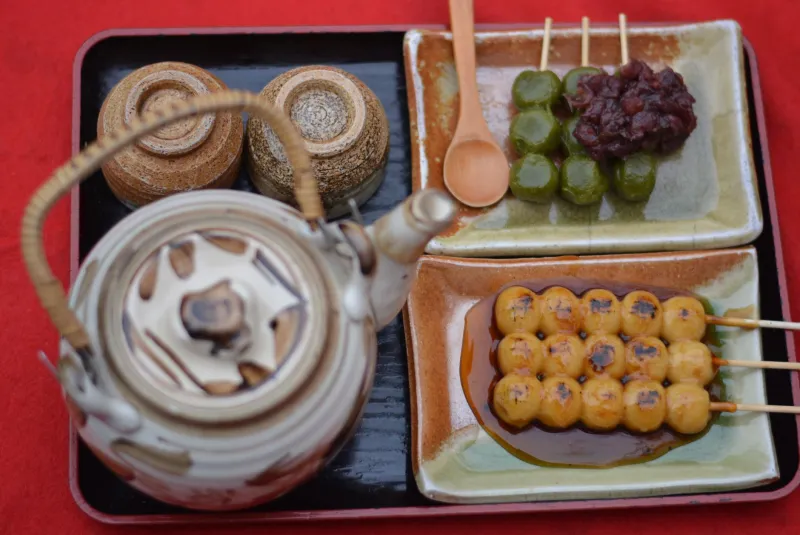
Walk into any forward-thinking bakery in New York, Los Angeles, or Portland these days and you may spot it: a deep burgundy filling tucked inside a laminated pastry, a swirl in a cheesecake, a soft dollop atop a milk bread bun. The ingredient is anko — sweetened red bean paste — and the beans behind the finest versions of it come from a single place: Hokkaido.
A Bean That Loves the Cold
Azuki (Vigna angularis) has been cultivated in Japan for centuries, but Hokkaido's Tokachi plain transformed it into a signature crop. The reasons are agricultural and elegant. The island's long, frigid winters rest the soil and suppress pests; its short but sun-drenched summers allow beans to mature slowly, concentrating sugars and aromatic compounds. The result is an azuki with a delicate floral note and a rounded sweetness that lacks the earthy flatness of commodity beans grown elsewhere.
Hokkaido varieties such as Erimo and Shirayuki-dainagon are graded with the same seriousness as wine grapes. Larger, more uniform beans with thin skins cook more evenly and yield a smoother paste — which is precisely why discerning pastry chefs specify them.
The Anatomy of Anko
Anko comes in two principal forms, and understanding the difference matters for home bakers:
- Tsubu-an: The rustic style. Beans are simmered, sweetened, and left partially intact, giving texture and a deep, jam-like character.
- Koshi-an: The refined style. Beans are strained to remove skins, producing a silky, dense paste ideal for piping and filling.
Both begin the same way: beans are soaked, gently simmered, and sweetened — traditionally with sugar added in stages to preserve the bean's natural aroma. The craft lies in restraint; over-sweetening flattens the very qualities that make Hokkaido azuki special.
From Wagashi to the American Bakery Case
Historically, anko anchored wagashi — the traditional confections served with tea, from taiyaki (fish-shaped filled cakes) to daifuku mochi. What's changed is the cross-pollination. American bakers have discovered that red bean paste behaves beautifully in Western formats:
- Mochi brownies, where chewy rice flour batter meets pockets of tsubu-an
- Croissant and danish fillings, where koshi-an holds its shape under laminated dough
- Whoopie pies and macarons, substituting for buttercream or ganache
- Ice cream and gelato bases, where the bean's starchiness lends a fudgy body
The appeal is partly flavor, partly function. Anko delivers sweetness with far less sugar than a typical American filling, and its subtle bitterness — a hallmark of quality azuki — balances rich doughs in the way dark chocolate does.
Sourcing and Storing
For US shoppers, Hokkaido azuki is more accessible than ever. Specialty Japanese grocers and online retailers (including our own catalog) carry whole dried beans, ready-made tsubu-an, and premium koshi-an. When buying whole beans, look for a deep lustrous red, uniform size, and no shriveling. Store them airtight and away from light; like all legumes, fresher beans mean softer, faster cooking.
If you purchase prepared paste, refrigerate after opening and use within a few weeks — quality anko contains no artificial preservatives.
A Simple Starting Point: Homemade Tsubu-an
Making paste from scratch requires little more than patience:
- Rinse and soak 2 cups of dried Hokkaido azuki overnight.
- Bring to a boil, drain, then cover with fresh water and simmer gently for 60–90 minutes, until beans yield to a gentle squeeze.
- Drain, return to the pot, and add 1½ cups sugar in three additions, stirring over low heat until the paste thickens and holds a trail.
- Cool, then refrigerate. It keeps for a week — if it lasts that long.
Stir it into brownie batter, sandwich it between shortbread, or simply serve it warm over vanilla ice cream. However you use it, you'll be tasting what generations of Hokkaido farmers and confectioners already knew: the coldest fields grow the sweetest beans.