Morning, Reimagined: How Hokkaido's Breakfast Traditions Are Elevating the American Table
For most Americans, breakfast is a transaction—something quick, predictable, and largely unremarkable. A bowl of cereal, a slice of toast, perhaps a protein bar consumed between tasks. The morning meal, despite its well-documented importance, rarely receives the same culinary attention as lunch or dinner.
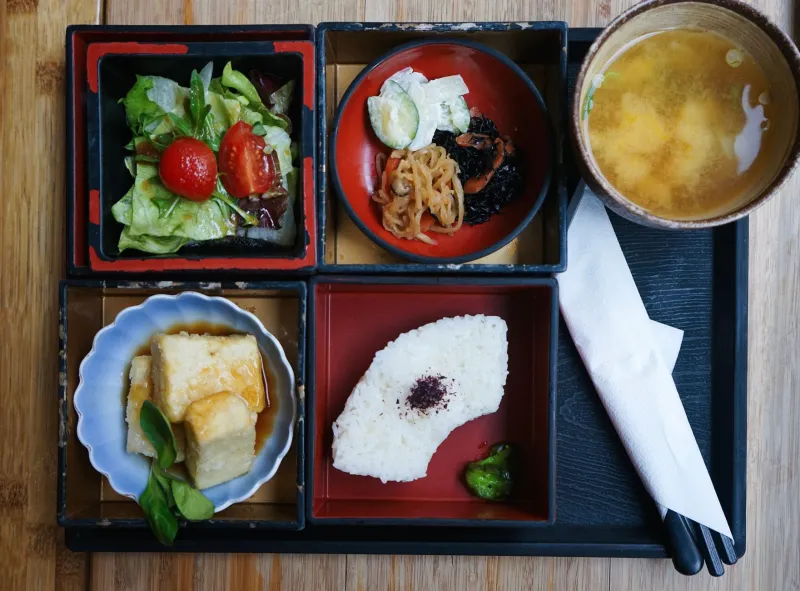
In Hokkaido, Japan's northernmost island, breakfast operates on an entirely different set of principles. Shaped by a cold, demanding climate and a deep agricultural heritage, the Hokkaido morning table is an exercise in quiet intentionality. It is nourishing without being heavy, complex without being complicated, and grounded in ingredients that reflect the extraordinary natural environment from which they come. Increasingly, American home cooks are discovering that this approach to breakfast is not only achievable but genuinely transformative.
The Philosophy Behind the Hokkaido Morning Table
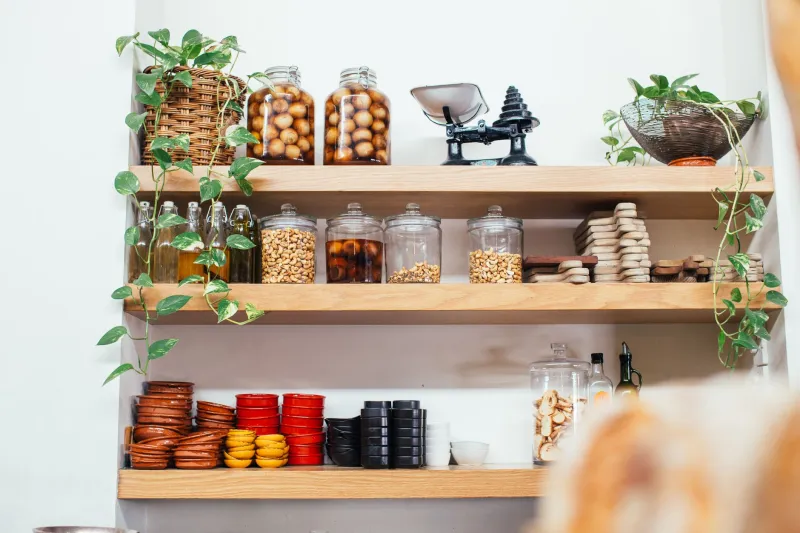
Hokkaido's breakfast traditions do not exist in isolation. They are an extension of the island's broader food culture, one defined by premium raw materials, minimal processing, and a respect for seasonal rhythms. The island's long winters and short growing seasons have historically encouraged a pantry-forward approach to cooking—one in which preserved, fermented, and carefully sourced ingredients carry the meal.
This philosophy translates remarkably well to the American kitchen. Where conventional morning routines lean on speed and convenience, the Hokkaido approach prioritizes depth of flavor and nutritional completeness. The result is a breakfast that satisfies in a more lasting way, without requiring dramatically more time or effort.
Miso Soup: The Anchor of the Hokkaido Morning
No element of the Hokkaido breakfast is more foundational than miso soup. While miso itself is produced across Japan, Hokkaido's version carries a distinctive character shaped by the island's cold fermentation conditions and locally grown soybeans. The result is a paste with exceptional depth—earthy, slightly sweet, and rich with naturally occurring glutamates that activate the palate in a way that coffee alone cannot.
For American cooks building a Hokkaido-inspired morning routine, a high-quality Hokkaido artisan miso is the single most important pantry investment. Dissolved in dashi—a light broth made from kombu and bonito—and paired with silken tofu, wakame seaweed, and sliced scallions, it produces a soup that takes under ten minutes to prepare and delivers a level of morning sustenance that most Western breakfasts cannot match.
The key is sourcing. Mass-produced miso, while functional, lacks the complexity of small-batch Hokkaido varieties. Look for miso labeled as junsei (pure) or produced without additives, and pay attention to fermentation time—longer-aged varieties tend to offer greater flavor nuance.
Premium Nori and the Art of the Morning Rice Bowl
Steamed short-grain rice with premium nori is a breakfast combination so deceptively simple that it often surprises Western cooks with its satisfaction. Hokkaido nori—harvested from the cold, nutrient-dense waters surrounding the island—is distinguished by its deep color, clean oceanic flavor, and the way it crisps cleanly when briefly toasted over a flame.
Paired with a soft-cooked or onsen-style egg, a small dish of pickled vegetables (tsukemono), and perhaps a drizzle of soy sauce, this combination forms a complete morning meal. The umami provided by the nori and egg creates a savory foundation that sustains energy far more effectively than carbohydrate-heavy Western alternatives.
For American households unfamiliar with morning rice, the adjustment is largely psychological. Rice is not a lunch or dinner ingredient—it is a neutral, versatile base that works as well at seven in the morning as at seven in the evening. Starting with a smaller portion and pairing it with familiar accompaniments can ease the transition.
Hokkaido Dairy: A Cold-Climate Distinction
Hokkaido accounts for the majority of Japan's dairy production, and the quality of its milk, butter, and fresh cheeses is widely regarded as the finest in the country. The island's cool temperatures and expansive pastoral landscapes support a style of dairy farming that prioritizes herd health and slow production—conditions that yield milk with a notably higher fat content and cleaner flavor than most commercial American equivalents.
This distinction matters at breakfast. Hokkaido butter stirred into morning rice or spread on lightly toasted bread carries a richness that is immediately perceptible. Hokkaido-style fresh milk, when available through specialty importers, produces a cup of café au lait or matcha latte with a creaminess that supermarket dairy rarely achieves.
For American cooks who cannot access Hokkaido dairy directly, the next best approach is to source the highest-quality local equivalent and supplement with imported Hokkaido dairy products—butter, cream, and certain aged cheeses—that are available through specialty Japanese food retailers.
Preserved Vegetables and Fermented Accompaniments
The Hokkaido breakfast table rarely appears without a small arrangement of preserved or fermented vegetables. Tsukemono—Japanese pickles—serve as a palate cleanser and digestive aid, providing the gentle acidity that balances the richness of miso, egg, and dairy. Hokkaido's agricultural surplus of daikon, cabbage, and root vegetables makes the island a natural center for pickling traditions, and many of these products are now available through specialty importers.
Natto—fermented soybeans with a pungent aroma and distinctive texture—is another Hokkaido morning staple worth approaching with an open mind. Its flavor is intense and polarizing, but its nutritional profile is exceptional, and its umami contribution to a morning rice bowl is unmatched. For American consumers new to natto, starting with a smaller portion and pairing it with a strong-flavored accompaniment such as karashi mustard or soy sauce can make the introduction more approachable.
Building Your Hokkaido Breakfast Pantry
Adopting Hokkaido breakfast traditions does not require a wholesale transformation of your morning routine. A more practical approach is incremental: introduce one element at a time, allow it to become habitual, and build from there. The following core pantry items represent a sensible starting point.
Foundational staples to source first:
- Hokkaido artisan miso (white or mixed variety for morning use)
- Kombu and bonito flakes for dashi preparation
- Premium short-grain Japanese rice
- High-quality nori sheets
- Silken tofu
- Dried wakame seaweed
- Japanese soy sauce (preferably low-sodium for morning dishes)
Secondary additions as your routine develops:
- Hokkaido butter or dairy products
- Tsukemono pickles (daikon or cabbage varieties)
- Natto (frozen, available through Japanese grocery retailers)
- Sesame seeds and sesame oil for finishing
Most of these ingredients are shelf-stable, require no special equipment, and are available through Hokkaido-focused specialty retailers that ship directly to US addresses.
Why This Matters Beyond Novelty
The appeal of the Hokkaido breakfast is not simply aesthetic, though it is undeniably beautiful in its restraint and arrangement. It is, at its core, a more thoughtful relationship with the first meal of the day—one that treats breakfast as a genuine act of nourishment rather than a logistical necessity.
For American home cooks who have grown accustomed to starting the day on autopilot, introducing even a single Hokkaido element—a cup of properly made miso soup, a bowl of rice with nori and egg—can shift the entire register of the morning. The flavors are grounding. The preparation is meditative. And the ingredients, sourced from one of the world's most exceptional food-producing regions, carry a quality that is immediately apparent.
Hokkaido's morning table has always reflected the island's character: unhurried, precise, and deeply connected to the land. Bringing that character into an American kitchen is not an act of imitation. It is an invitation to eat better, starting at the very beginning of the day.