Pure Water, Cold Winters, and Ancient Craft: How Hokkaido Sake Is Earning a Place on America's Premium Spirits Shelf
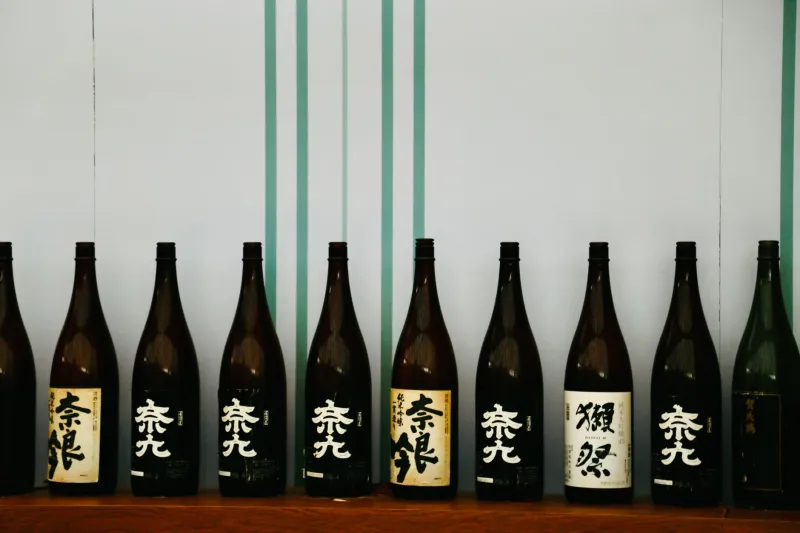
For decades, American consumers building a serious interest in Japanese sake tended to look south — toward Niigata, Fushimi, or the storied breweries of Hyogo Prefecture. Hokkaido, Japan's northernmost and largest island, was more likely to appear in conversations about snow festivals, dairy farms, or Dungeness-rivaling crab than about premium fermented rice wine. That perception is shifting, and it is shifting with the kind of quiet confidence that tends to precede a genuine cultural moment.
Across the US, sake is no longer a curiosity reserved for the sushi bar. It has begun appearing on cocktail menus in Portland, on natural wine lists in Brooklyn, and in the pantries of home cooks who discovered Japanese cuisine through ingredients like kombu, miso, and Hokkaido scallops. Within that expanding audience, Hokkaido sake occupies a distinctive and increasingly coveted niche — one defined by the island's extraordinary natural resources and its brewers' willingness to push against convention.
What Makes Hokkaido a Serious Sake-Producing Region
Sake quality is inseparable from water. Brewers across Japan speak of water chemistry the way winemakers speak of terroir — the mineral content, softness, and purity of a brewery's water source shapes everything from fermentation speed to the final flavor profile. Hokkaido's water supply, fed by snowmelt filtering through volcanic rock and dense forest, is exceptionally soft and clean. This tends to produce sake with a lighter, more delicate mouthfeel, a quality that appeals to American drinkers accustomed to the crisp finish of a well-made craft lager or a lean, dry white wine.
The island's rice is equally significant. Hokkaido cultivates several sake-specific rice varieties, most notably Ginpu and Suisei, both developed to thrive in the region's short, cool growing season. These varieties produce grains with a starch structure that responds well to the careful milling and fermentation processes required for premium sake categories. The resulting flavor tends toward clean grain sweetness, restrained fruitiness, and a finish that is neither heavy nor aggressive — characteristics that make Hokkaido sake unusually approachable for first-time explorers.
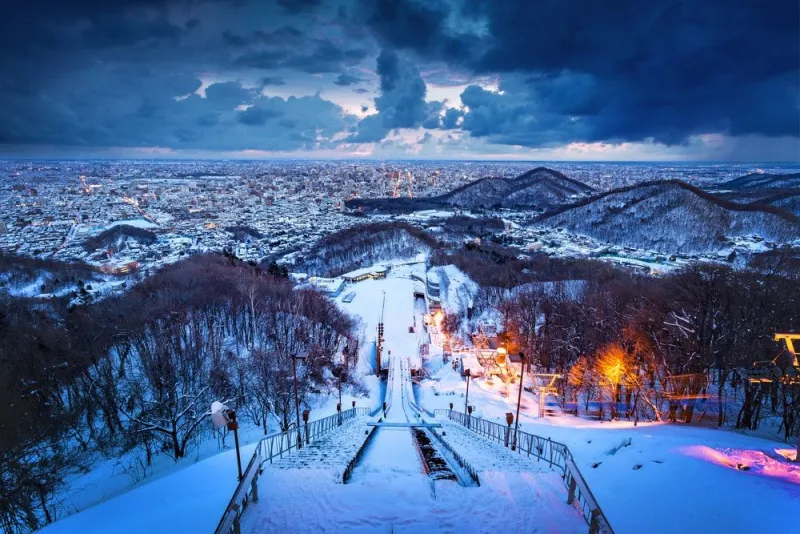
Finally, there is temperature. Hokkaido winters are severe, and traditional sake brewing has always relied on cold ambient air to slow fermentation and develop complexity. What requires elaborate climate control in warmer regions happens naturally here, allowing brewers to focus their attention on ingredients and technique rather than managing temperature fluctuations.
Tasting the Difference: Flavor Profiles to Know
Hokkaido sake tends to express itself across a fairly consistent spectrum, though individual breweries introduce meaningful variation. At the lighter end, daiginjo-grade expressions — produced from rice milled to at least 50 percent of its original size — offer floral aromatics, a whisper of green apple or pear, and an almost water-clear finish. These are the bottles that convert whiskey drinkers who assume sake will taste sweet or one-dimensional.
Junmai styles, which are brewed without added distilled alcohol, tend to show more character from the rice itself: a gentle umami undertone, subtle nuttiness, and a slightly fuller body. For American palates shaped by craft beer culture, a well-made Hokkaido junmai can feel immediately legible — complex without being obscure, satisfying without being heavy.
Nigori, or unfiltered sake, is another entry point worth noting. Hokkaido producers have begun releasing seasonal nigori expressions that showcase the island's rice varieties in a less refined but more expressive form. The cloudy, creamy texture and mild sweetness make these bottles excellent companions to spicy food and a natural conversation starter at dinner parties.
Breweries Shaping the Hokkaido Sake Story
Among the producers gaining recognition in the American market, a handful stand out for their ambition and consistency.
Otokoyama Sake Brewery, based in Asahikawa, is perhaps Hokkaido's most internationally recognized name. Founded in 1899, the brewery draws on the Taisetsu mountain range's snowmelt and has been exporting to the United States for decades. Its junmai daiginjo expressions are a reliable benchmark for understanding what Hokkaido sake can achieve — precise, clean, and rewarding across multiple tastings.
Takasago Shuzo, also in Asahikawa, brings a more experimental sensibility to its lineup. The brewery has invested in showcasing locally grown Ginpu rice, and its limited-release bottles have begun appearing at specialty Japanese grocery retailers and sake-focused importers on the West Coast. Tasting notes from American importers frequently cite a distinctive mineral quality and a finish that lingers without becoming cloying.
Niseko Distillery, operating near the internationally known ski resort of the same name, represents a newer wave of Hokkaido producers deliberately targeting an international audience. While its sake portfolio remains modest compared to its whisky production, the brewery's approach to cold-climate fermentation has attracted attention from American importers looking for bottles with a compelling origin story alongside genuine quality.
Pairing Hokkaido Sake with Hokkaido Ingredients
One of the most compelling arguments for keeping Hokkaido sake in your pantry is how naturally it pairs with other ingredients from the same region — many of which are now available to US customers through specialty retailers.
A clean junmai or junmai ginjo is an ideal companion to Hokkaido hotate scallops, whether served raw as sashimi or lightly seared. The sake's umami undertone amplifies the scallop's natural sweetness without competing with it. Similarly, the mineral clarity of a daiginjo pairs beautifully with kombu-based dashi — a combination that essentially distills the flavor of the Hokkaido coastline into a single bowl.
For heartier pairings, a fuller junmai alongside Hokkaido miso soup or a slow-braised root vegetable dish creates the kind of regional coherence that Japanese cuisine has always understood and that American food culture is beginning to appreciate. Even Hokkaido dairy — in the form of a rich butter-finished seafood preparation — finds an unexpectedly graceful partner in a slightly chilled nigori.
Building Your Hokkaido Sake Collection
For American buyers approaching sake for the first time, or for whiskey and wine enthusiasts looking to expand their repertoire, Hokkaido sake offers an accessible and rewarding starting point. A few practical notes for shopping:
- Seek out junmai-designated bottles first. The absence of added alcohol means the flavor reflects the rice and water directly, giving you the clearest possible sense of a brewery's character.
- Pay attention to serving temperature. Many Hokkaido sake expressions are versatile — enjoyable slightly chilled, at room temperature, or gently warmed. Experimenting with temperature is one of the genuine pleasures of the category.
- Store sake properly. Unlike shelf-stable spirits, sake benefits from refrigeration after opening and should be consumed within a week or two for optimal flavor.
- Consider the vintage. Premium sake is not intended for long aging, and fresher bottles typically show more vibrancy. Look for production dates on the label when available.
A Region Whose Time Has Come
Hokkaido has spent years building a reputation in the American market through its seafood, dairy, and agricultural products. Sake is the next chapter in that story — one that rewards curiosity and repays exploration. Whether you approach it as a spirits enthusiast, a home cook seeking the ideal table companion, or simply someone who wants to understand what Japan's northernmost island tastes like in a glass, Hokkaido sake offers something genuinely worth discovering.
The breweries are ready. The water is as pure as it has ever been. The only remaining step is yours.