10 Hokkaido Snacks That Belong in Your Next Pantry Haul (And Why You'll Keep Reordering Them)
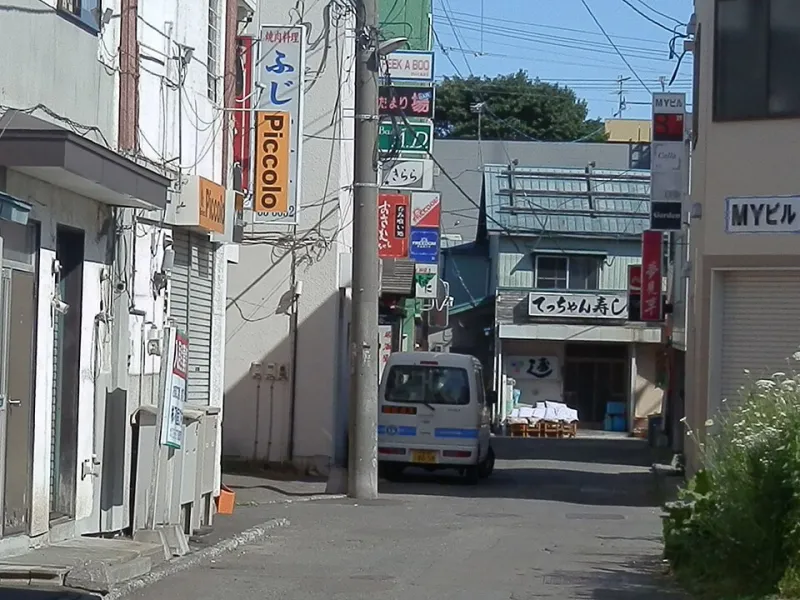
Photo: Prosperosity, CC BY-SA 3.0, via Wikimedia Commons
Ask anyone who has traveled through Sapporo's covered shopping arcades or browsed the souvenir halls of Chitose Airport what surprised them most, and the answer is rarely the scenery. It is almost always the snacks. Hokkaido has cultivated a confectionery culture unlike anywhere else in Japan—one rooted in the island's extraordinary agricultural resources and shaped by a regional identity that takes genuine pride in what its land produces.
The island's cold climate yields exceptional dairy, wheat, corn, potatoes, and beets, all of which find their way into a snack landscape that balances innovation with a respect for clean, honest flavor. What follows is a curated guide to ten Hokkaido snacks that have earned devoted followings among American food enthusiasts—along with the context, flavor profiles, and practical notes that make each one worth understanding.
1. Shiroi Koibito (White Lover Cookies)
If there is a single snack that has come to define Hokkaido's confectionery reputation on the international stage, it is Shiroi Koibito. Produced by Ishiya Confectionery in Sapporo since 1976, these thin, crisp langue de chat cookies sandwich a layer of smooth white chocolate between them. The name translates loosely to "white sweetheart," a reference to Hokkaido's celebrated snowfall.
Flavor profile: Delicate butter cookie with a clean vanilla note, paired with creamy white chocolate that melts without cloying sweetness. The textural contrast between the crisp wafer and the yielding chocolate center is central to the experience.
Why Americans love them: They occupy a familiar register—butter cookie meets sandwich cookie—but with a refinement that mass-market alternatives rarely achieve. They pair exceptionally well with black coffee or a light oolong tea.
2. Jaga Pokkuru (Hokkaido Potato Sticks)
Made from Hokkaido-grown potatoes and seasoned with nothing more than kelp salt and vegetable oil, Jaga Pokkuru are among the most quietly addictive savory snacks the island produces. Created by Calbee and marketed specifically as a Hokkaido regional product, they have developed a near-cult following that regularly sells out at airport retail locations.
Flavor profile: Pure potato flavor with a clean, mineral saltiness from the kombu-derived seasoning. Crunchy, light, and deeply savory without any artificial aftertaste.
Why Americans love them: They satisfy the same craving as a kettle chip but feel substantially less heavy. The single-origin sourcing and minimal ingredient list resonate with American consumers increasingly attentive to what they are eating.
3. Hokkaido Butter Sand Cookies
A regional specialty that has proliferated across multiple producers, butter sand cookies consist of two shortbread-style biscuits pressed around a filling of butter cream—often made with Hokkaido's celebrated fresh butter and occasionally incorporating white bean paste or caramel. Each producer offers a slightly different interpretation, but the common thread is the quality of the dairy.
Flavor profile: Rich, slightly salty butter with a tender crumb. The filling is restrained in sweetness, allowing the dairy character to dominate. Some versions incorporate a faint caramel note that adds depth.
Why Americans love them: The combination of salt and butter in a cookie format aligns naturally with American flavor preferences. These are the Hokkaido equivalent of a salted caramel moment—familiar enough to be immediately appealing, refined enough to feel like a discovery.
4. Royce' Nama Chocolate
Royce' Confect, founded in Sapporo in 1983, has built an international reputation on a deceptively simple product: nama (fresh) chocolate made with Hokkaido cream. These soft, ganache-like squares are dusted with cocoa powder and require refrigeration—a detail that underscores their freshness and sets them apart from shelf-stable confections.
Flavor profile: Intensely creamy with a deep cocoa richness. The texture is unlike a conventional truffle—softer, more yielding, with a clean dairy finish that cuts through the chocolate's bitterness.
Why Americans love them: In a country where premium chocolate has become a serious category, Royce' offers something genuinely different. The fresh cream element gives the chocolate an immediacy that shelf-stable products cannot replicate.
5. Hokkaido Cheese Crackers
Hokkaido's dairy industry extends naturally into savory snacking, and the island's cheese crackers represent one of the most satisfying expressions of that connection. Made with locally produced cheese—often a mild, slightly tangy variety produced from the milk of Hokkaido dairy cattle—these crackers deliver a savory intensity that commercial cheese-flavored snacks rarely approach.
Flavor profile: Genuinely cheesy with a clean, slightly salty finish. The cheese flavor is present throughout the cracker rather than applied as a coating, which gives each bite a more integrated, less artificial character.
Why Americans love them: Americans consume more cheese crackers per capita than almost any other nation, which makes Hokkaido's premium interpretation an easy sell. The quality gap between these and a standard grocery store cheese cracker is immediately apparent.
6. Corn Chocolate (Hokkaido Sweet Corn Snacks)
Hokkaido's sweet corn harvest is celebrated throughout Japan, and confectioners have found inventive ways to translate that agricultural abundance into snackable form. Freeze-dried corn kernels coated in white or milk chocolate are a regional specialty that surprises first-time tasters with how faithfully they capture the flavor of fresh corn at peak summer sweetness.
Flavor profile: Sweet, slightly starchy corn flavor with a light chocolate coating. The freeze-drying process concentrates the corn's natural sugars, creating an intensity that is simultaneously unexpected and immediately recognizable.
Why Americans love them: Corn and chocolate is a combination that resonates in American dessert culture—think corn pudding, corn ice cream, and the growing popularity of sweet corn in fine dining pastry. These snacks offer a compact, shelf-stable version of that flavor pairing.
7. Hokkaido Milk Candy
Milk candy is a Japanese confectionery tradition, but Hokkaido's version benefits directly from the island's dairy reputation. These small, individually wrapped candies are made with a higher proportion of fresh milk solids than standard milk candies, resulting in a creamier, more genuinely dairy-forward flavor.
Flavor profile: Clean, sweet, and milky with a slight caramel undertone from the cooking process. They dissolve slowly, releasing a persistent dairy richness.
Why Americans love them: They occupy the same nostalgic register as classic milk caramels but with a cleaner, lighter character. They are also an accessible entry point for consumers new to Japanese confectionery.
8. Hokkaido Azuki Bean Sweets
Red bean paste (anko) is fundamental to Japanese confectionery, and Hokkaido grows some of Japan's most prized azuki beans in the Tokachi region. Snacks incorporating Tokachi azuki—from individually wrapped bean paste confections to azuki-filled wafers—carry a flavor depth that reflects the quality of the underlying ingredient.
Flavor profile: Earthy, subtly sweet, and lightly floral. Tokachi azuki has a less astringent character than beans grown in warmer climates, which gives the finished confections a cleaner, more refined sweetness.
Why Americans love them: As American palates grow more familiar with red bean in boba teas, mochi ice cream, and Asian bakery items, the appetite for high-quality azuki-based sweets has expanded considerably.
9. Lavender Honey Chocolates
Hokkaido's Furano region is internationally recognized for its lavender fields, and local confectioners have incorporated that floral identity into chocolate products that feel genuinely place-specific. Lavender honey chocolates—typically milk or white chocolate infused with locally sourced lavender honey—offer a distinctive aromatic experience that functions as an edible postcard from the island.
Flavor profile: Floral and honey-forward with a creamy chocolate base. The lavender is present without being medicinal, which is the critical balance that distinguishes quality versions from lesser imitations.
Why Americans love them: Lavender has become a mainstream flavor in American food culture, appearing in everything from lattes to cocktails. Hokkaido's version connects that familiar flavor to a specific agricultural landscape, which adds a narrative dimension American consumers find compelling.
10. Hokkaido Baked Cheese Tart Cookies
Inspired by the baked cheese tart craze that swept through Japan's major cities in the 2010s, Hokkaido confectioners have translated that beloved format into a shelf-stable cookie version. Made with Hokkaido cream cheese and butter, these small, individually portioned cookies replicate the slightly tangy, rich character of the original tart in a form that travels and stores easily.
Flavor profile: Buttery and slightly tangy with a tender, almost shortbread-like texture. The cream cheese element adds a subtle acidity that keeps the richness in check and makes each cookie feel lighter than its ingredient list might suggest.
Why Americans love them: Cream cheese is deeply embedded in American baking culture—from cheesecake to bagels to frosting. A cookie that leads with that familiar flavor, elevated by premium Hokkaido dairy, is a straightforward and satisfying proposition.
Building a Hokkaido Snack Pantry
The snacks listed above share a common thread: they are made with ingredients that Hokkaido produces exceptionally well. The island's dairy, grains, vegetables, and legumes are not incidental to these products—they are the reason these products exist in the forms they do. That connection between raw material and finished snack is precisely what distinguishes Hokkaido's confectionery culture from the generic snack industry.
For American consumers building a pantry that reflects genuine regional character, Hokkaido snacks represent some of the most accessible and rewarding options available. They require no preparation, no cultural translation, and no special occasion. They are simply very good things to eat—made by people who take considerable pride in making them well.