Bread's Northern Frontier: The Quiet Rise of Hokkaido Wheat in American Home Ovens
Ask a roomful of serious home bakers which flour they're obsessed with right now, and you'll hear fewer answers about French T65 or King Arthur than you might expect. Increasingly, the name on everyone's lips comes from an island better known for snow crab and ski resorts: Hokkaido.
Why Northern Wheat Tastes Different
Hokkaido sits at roughly the same latitude as Maine, and its wheat-growing season is a study in compression. Winters are long and brutal; summers arrive late and leave early, but they deliver long daylight hours and wide temperature swings between day and night. Wheat grown under these conditions develops a distinctive profile — plump kernels, high moisture content at harvest, and a subtle, almost milky sweetness that carries through to the finished crumb.
The flagship variety, Haruyutaka ("spring luster"), was bred in Hokkaido for exactly this climate. Its low ash content and fine starch structure produce flour that absorbs liquid generously and bakes into bread with a tender, cottony interior. Alongside it, varieties like Haruno-chikara and premium blends marketed under names such as Kaneko Seeds' and Nisshin's Hokkaido lines have become sought-after imports.
The Shokupan Effect
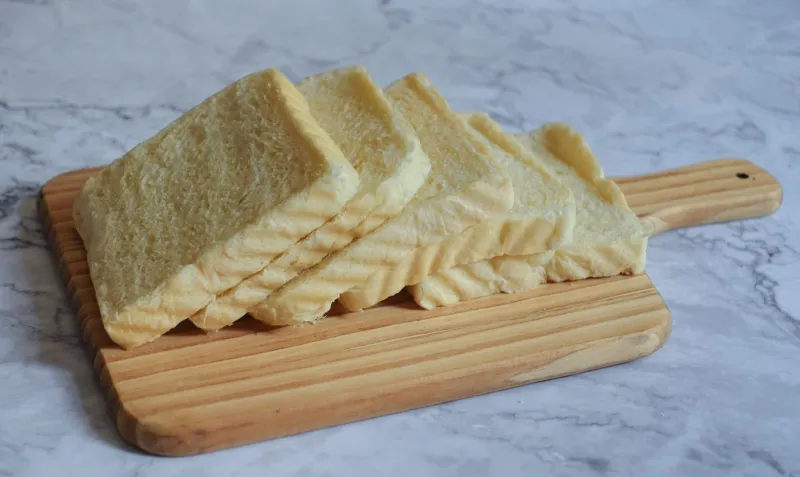
If you've encountered shokupan — Japanese-style sandwich bread — you already understand the phenomenon. Shokupan is the antithesis of American sandwich bread: a tall, domed loaf with a crumb so soft it compresses like memory foam, a thin golden crust, and a faint sweetness that needs no added sugar to register.
The shokupan boom in the US — fuelled by TikTok bakers, Los Angeles's Japanese bakery scene, and cookbooks devoted to milk bread — created a natural demand for the flour that makes it best. Hokkaido flour isn't strictly required for milk bread, but bakers who switch rarely go back. The crumb is finer, the loaf stays moist longer, and the flavor is cleaner.
Hokkaido vs. American Flour: An Honest Comparison
American all-purpose and bread flours are workhorses — high in protein, reliable, widely available. Hokkaido flour plays a different game:
- Protein: Hokkaido milling flours typically run 9–12%, softer than American bread flour, closer to a luxurious all-purpose.
- Absorption: The starch quality lets dough take on more liquid, which is the secret to that plush crumb.
- Flavor: A gentle sweetness and lack of bitterness that reads as "richer" even in lean doughs.
- Price and availability: Expect to pay a premium and to shop online or at Japanese groceries; a kilo is a splurge, not a staple.
The pragmatic move? Use Hokkaido flour for the loaves where its character shines — enriched breads, brioche, dinner rolls — and keep American flour for everyday sourdough.
Baking Shokupan at Home: The Essentials
The technique that defines Japanese milk bread is the yudane or tangzhong method: a portion of the flour is cooked with liquid into a gelatinized paste before mixing. This pre-gelatinized starch holds water through baking and storage, which is why the loaf stays soft for days.
A beginner-friendly framework:
- Cook 20% of the flour with water (by weight) into a thick paste; cool completely.
- Combine with the remaining flour, milk, sugar, butter, yeast, and salt; knead to a smooth, supple dough.
- Rest, divide, and shape into tight balls for a pullman-style loaf.
- Proof until the dough crowns the pan, then bake at 350°F for roughly 30–35 minutes.
- Brush the hot crust with melted butter. Resist cutting until barely warm — then surrender.
Toast a slice the next morning and you'll understand why Hokkaido flour has earned its cult following: some ingredients don't announce themselves, they simply make everything around them better.