Winter on a Plate: Six Hokkaido Comfort Dishes Worth the Blizzard
Hokkaido knows winter the way coastal cities know humidity: completely. Snowfall is measured in meters, and for generations the island's cooks have responded not with resignation but with a repertoire of steaming, deeply savory dishes built to be cooked slowly and eaten hot. The good news for American home cooks: nearly all of them translate beautifully, and the pantry required is shorter than you'd think.
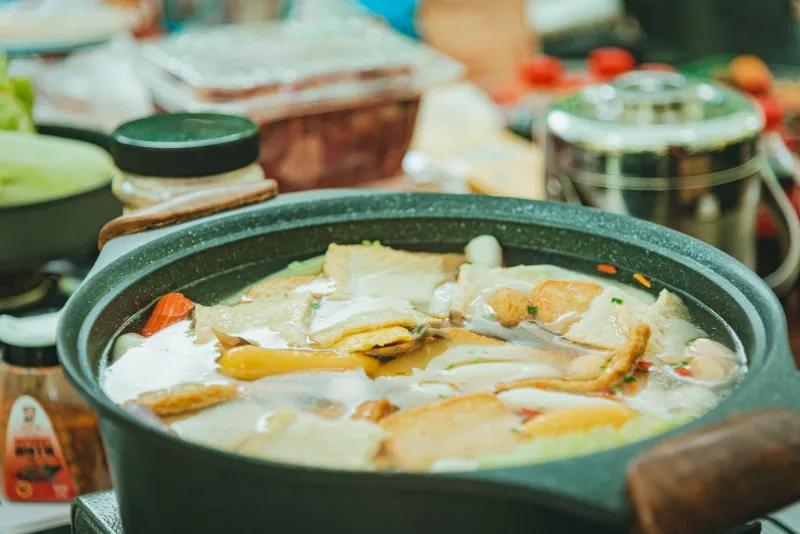
1. Ishikari Nabe: Salmon Hot Pot from the Fishing Town That Named It
Born in the salmon-fishing city of Ishikari, this hot pot layers fresh salmon, cabbage, and tofu in a broth of kombu stock and miso, finished with a generous knob of butter — a Hokkaido signature.
Pantry staples: Kombu, white or red miso, sake. Weeknight adaptation: Simmer kombu in water for 15 minutes, whisk in miso, add salmon chunks, cubed tofu, and whatever hardy vegetables you have. Ten minutes to dinner.
2. Hokkaido Miso Ramen: The Heavier, Richer Sapporo Classic
Sapporo's miso ramen arose in the 1950s as a working-city answer to cold: a robust miso-tare broth, stir-fried vegetables, corn, and butter melting across the top. The miso base gives it a heartier body than Tokyo's soy sauce ramen.
Pantry staples: Hokkaido miso, ramen noodles, dried shiitake or kombu for broth. Weeknight adaptation: Sauté garlic, ginger, and ground pork; whisk in miso and chicken stock; ladle over fresh noodles with corn and a pat of butter.
3. Soup Curry: Sapporo's Cross-Cultural Comfort
A Sapporo invention — curry reimagined as a free-flowing, spice-forward broth thick with chicken legs and vegetables, served over rice. It's lighter than Japanese stew-curry and endlessly customizable.
Pantry staples: Curry powder or roux, honey, soy sauce, tomatoes. Weeknight adaptation: Bloom curry spices in butter, add stock, carrots, potatoes, and roasted chicken; simmer until the broth coats a spoon. Serve with jasmine rice.
4. Kuri Kinton: The Sweet Side of Winter
Not just a New Year's dish — in Hokkaido, kuri kinton celebrates the island's twin treasures: chestnuts and azuki beans. Sweetened mashed azuki studded with candied chestnuts, it's dessert and comfort in one bowl.
Pantry staples: Hokkaido azuki beans, sugar, canned or vacuum-packed chestnuts. Weeknight adaptation: Simmer azuki until tender, sweeten, top with chestnuts. Serve warm with cream for an Anglo-friendly twist.
5. Imoni: Taro and Meat Stew of the Harvest Season
Technically a Tohoku tradition adopted enthusiastically in Hokkaido, imoni is a humble one-pot stew of taro (satoimo), beef, konnyaku, and soy-dashi broth — the kind of dish that tastes like a farmhouse kitchen.
Pantry staples: Dashi granules or kombu, soy sauce, mirin, konnyaku (or skip it). Weeknight adaptation: Simmer cubed taro or substitute Yukon Golds with sliced beef in a soy-dashi broth until everything is silky.
6. Zenzai: Sweet Red Bean Soup
Hokkaido's take on zenzai is thick, almost porridge-like, with mochi or chestnuts folded into warm azuki soup. On a snowy evening, few things comfort more directly.
Pantry staples: Hokkaido azuki, sugar, mochi (available in most US Asian grocers' freezer cases). Weeknight adaptation: Simmer azuki with sugar until thick; toast mochi squares and float on top.
Building the Pantry Once, Cooking All Winter
Notice the overlap: kombu, miso, soy sauce, azuki, and dashi appear again and again. A single well-stocked order — one pack of kombu, two miso varieties, dried shiitake, azuki beans, and a bottle of mirin — unlocks all six dishes and dozens more. In a Hokkaido kitchen, that's not a limitation; it's the whole point. Cold climates teach economy, and economy, practiced long enough, becomes cuisine.